
Enhancing N.E.C. Nijmegen's Fluidity: Tactical Adjustments for Recent Matches
N.E.C. Nijmegen, known as De Treffers, has experienced a mixed bag of results in recent matches, showcasing both potential and areas for improvement. The team's tactical approach, while effective at times, has revealed certain limitations that could be addressed to enhance overall performance and consistency. In this analysis, we will explore the current tactical framework and propose adjustments to improve fluidity and effectiveness on the pitch.
Current Tactical Overview
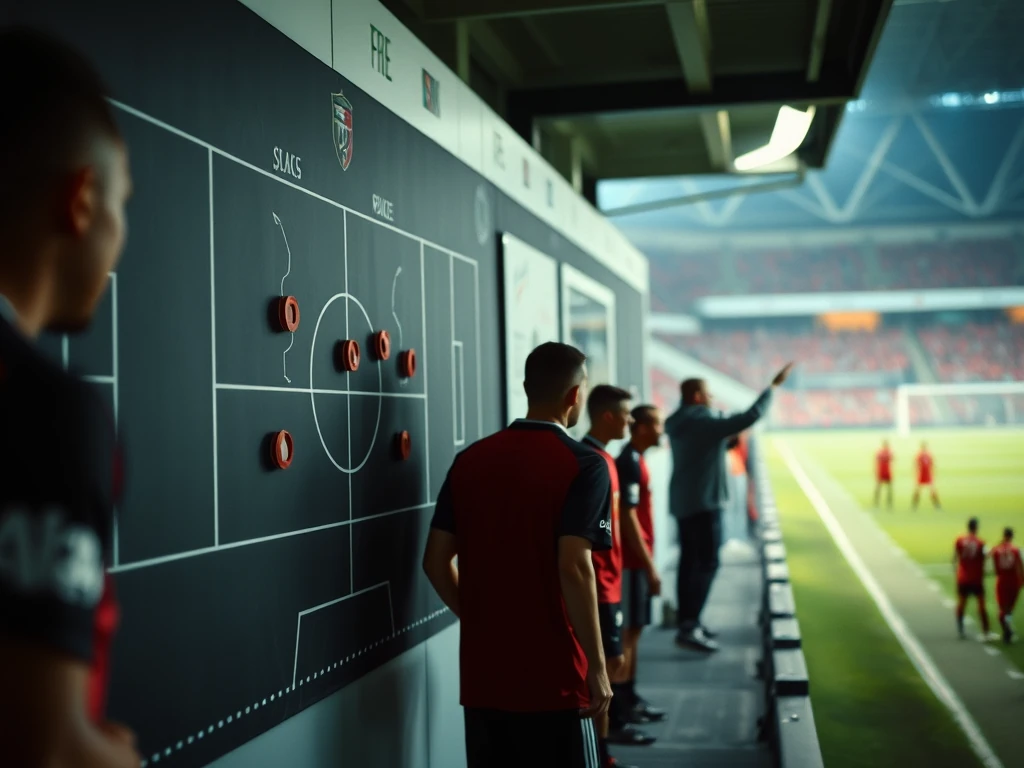
In their recent fixtures, N.E.C. has predominantly utilized a 4-2-3-1 formation. This setup provides a solid defensive base while allowing for creative play in the midfield and attacking third. However, the team often appears stagnant in possession, with players reluctant to make incisive runs off the ball, leading to a predictable attacking pattern.
The midfield duo, while defensively disciplined, sometimes lacks the dynamism required to break down opposition defenses. This has resulted in a heavy reliance on wide play, which, although effective at times, can become one-dimensional. The forwards have also struggled to find space, often being crowded out by opposing defenders, which stifles the team's attacking potential.
Suggested Tactical Tweaks
1. Dynamic Movement in Midfield
To combat the predictability in their play, N.E.C. Nijmegen should consider implementing more dynamic movement within the midfield. Encouraging the midfielders to make overlapping runs and provide support to both the defense and attack could create additional passing lanes and disrupt opposing defensive structures. This could be particularly effective when transitioning from defense to attack, allowing for quicker, more fluid counter-attacks.
2. Utilizing the Width Effectively
While the team has been utilizing width, it’s crucial to ensure that wingers are not just positioned high up the pitch but are also actively involved in play. Encouraging wingers to cut inside more frequently can draw defenders out of position, creating space for overlapping full-backs. This dual threat can stretch the opposition and open up opportunities for the central attacking players.
3. Incorporating a Second Striker
In matches where N.E.C. Nijmegen faces teams that sit deep defensively, it may be beneficial to adopt a two-striker system. Introducing a second forward could provide the team with more attacking options, allowing them to better exploit spaces created by the opposition’s defensive setup. This change could facilitate a more aggressive approach and improve goal-scoring opportunities.
4. Enhanced Pressing Structure
Although N.E.C. has shown glimpses of effective pressing, a more structured approach could yield better results. Implementing a coordinated pressing strategy where forwards and midfielders work in unison to press opponents high up the pitch can lead to regaining possession in dangerous areas. This tactic not only disrupts the opponent's rhythm but also increases the chances of creating quick goal-scoring opportunities.
Conclusion
As N.E.C. Nijmegen continues to navigate its current form, these tactical tweaks could prove essential in enhancing the team's overall performance. By focusing on dynamic movement, effective width, a two-striker system, and a coordinated pressing approach, De Treffers can find the fluidity and efficiency necessary to elevate their game. With the right adjustments, they can maximize their potential and take significant strides towards securing better results in the league.