Reevaluating N.E.C. Nijmegen's Pressing Game: Paths to Tactical Evolution
N.E.C. Nijmegen, affectionately known as De Treffers, has seen a mixed bag of results in their recent outings in the league. While their attacking prowess remains evident, the team's pressing game has come under scrutiny. A deeper dive into their tactical setup reveals that a few adjustments can significantly bolster their performance and ultimately lead to more consistent results.
In recent matches, N.E.C.'s pressing structure has appeared somewhat disjointed, leading to gaps in their defensive shape. The team often engages the opposition high up the pitch, but the effectiveness of this strategy hinges on cohesion and timing. Currently, the players seem to lack synchronization, which allows opponents to exploit spaces left behind. This is particularly evident during transitions, where the team appears vulnerable when they lose possession.
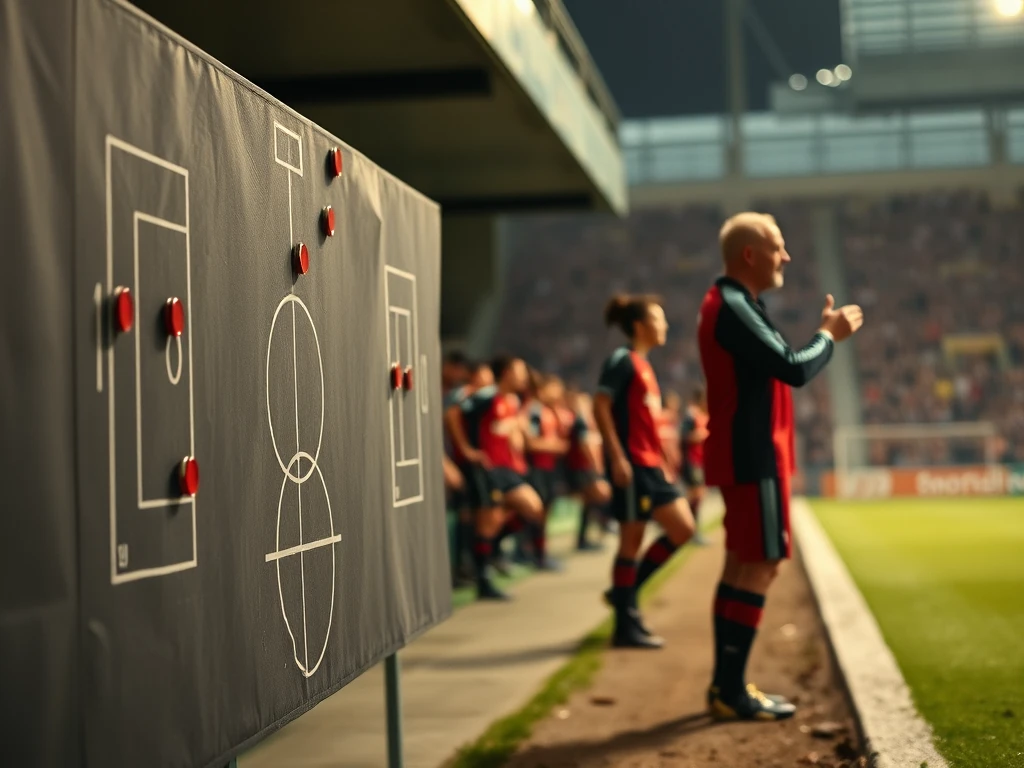
To address these issues, one potential tweak is to implement a more staggered pressing approach. By having forwards and midfielders coordinate their movements more effectively, N.E.C. Can create a tighter unit that restricts passing lanes while maintaining defensive solidity. This could involve the forwards pressing in a coordinated manner, with the midfielders ready to cover the spaces left by their movements. Such an approach not only increases the chances of regaining possession but also reduces the risk of being caught out of position.
Another area for improvement is the communication within the defensive structure. Often, players seem unsure about their roles during pressing situations, leading to individualistic efforts that disrupt the overall strategy. Establishing a clearer hierarchy and defined roles during pressing scenarios can help the team operate as a cohesive unit. For instance, defining specific triggers for when to initiate the press, such as a backward pass or a heavy touch from an opponent, can lead to more organized and effective pressing situations.
Also, the intensity and stamina of players play key roles in pressing effectiveness. A potential adjustment could be to monitor player workloads more closely during training sessions. Implementing targeted fitness drills designed to enhance endurance and agility can ensure that players are capable of sustaining high pressing efforts throughout the match. This would not only improve the pressing game but also contribute to overall team performance, particularly in the latter stages of matches when fatigue can set in.
Finally, it's essential to consider the tactical flexibility required in today’s football. Opponents are quick to adapt, and N.E.C. Nijmegen should be prepared to modify their pressing strategy based on the opposition's strengths and weaknesses. For example, against teams that excel in playing out from the back, a more aggressive high press might be warranted, whereas against teams that prefer direct play, a mid-block could be more suitable to minimize the risk of being countered.
while N.E.C. Nijmegen has demonstrated flashes of brilliance, refining their pressing game is key for achieving consistent success. By adopting a more coordinated pressing strategy, enhancing communication among players, and focusing on fitness levels, De Treffers can elevate their tactical approach. As the season progresses, these adjustments may prove key in solidifying their position in the league and in the hearts of their passionate supporters.